

Soccer and discipline: How the sport can be used to encourage good behaviour
Playing soccer itself teaches the importance of discipline and good behaviour. The aim of We Make Footballers is to improve every child so that they achieve the maximum of their potential.
WMF Coaching Team
7 min read
Soccer and discipline: How the sport can be used to encourage good behaviour
The reason that soccer is the most popular sport in England is that it is fun. It is enjoyable to watch, it is enjoyable to play and it is enjoyable to talk about with friends and family. Soccer and discipline are also important because of the life lessons it can teach almost subconsciously, wrapped up in 90 minutes of kicking a ball around. When it comes to children playing soccer, those lessons become engrained behaviours that they then carry through life with them. In this way, soccer truly is life-changing.
Take discipline and behaviour for example. There are countless examples of professional players who credit soccer with keeping them on the straight and narrow when they otherwise could have fallen into trouble at a young age.
Less talked about but just as prevalent are those involved with the grassroots game for whom soccer had a transformative impact, encouraging them, to focus and escape they needed.
We are going to delve a little deeper into how soccer teaches and instils discipline in children, and the power of the sport for encouraging good behaviour.
The importance of teamwork
The best soccer teams in the world only function because of the most important word in that sentence – team. You can pull together the 11 best soccer players on the planet but if they all have individual agendas and are not working towards a common goal, then the likelihood is they will fail as a team.
Exhibit A – Paris Saint Germain. A limitless budget means that they can combine the likes of Gianluigi Donnarumma, Sergio Ramos, Angel Di Maria, Neymar, Kylian Mbappe and Lionel Messi in one team. And yet they are still to win the Champions League, despite also possessing world-class managers like Thomas Tuchel and Mauricio Pochettino.
When coaches as good as those two fail at the goal of leading a star-studded side like PSG to the crown of European Champions, it is clear evidence that the most important aspect of success in soccer is teamwork.
Teamwork requires good behaviour and discipline from every participant to put aside their quest for personal glory and instead do what is necessary for the collective. A player who is asked to play at left-back for the good of the team cannot decide they want to be the one scoring the winning goal, causing them to abandon their position and charge up the pitch.
Soccer teaches the discipline needed to function as a team. This is an important trait which extends into working and personal relationships across life. Using soccer to install it in children from a young age can therefore have a long-term positive impact on their lives stretching into the future.
Soccer teaches respect
Children and adults who have respect for others are more likely to be better behaved and with that comes improved discipline. Respect is an important part of soccer and one that permeates all areas of the game.
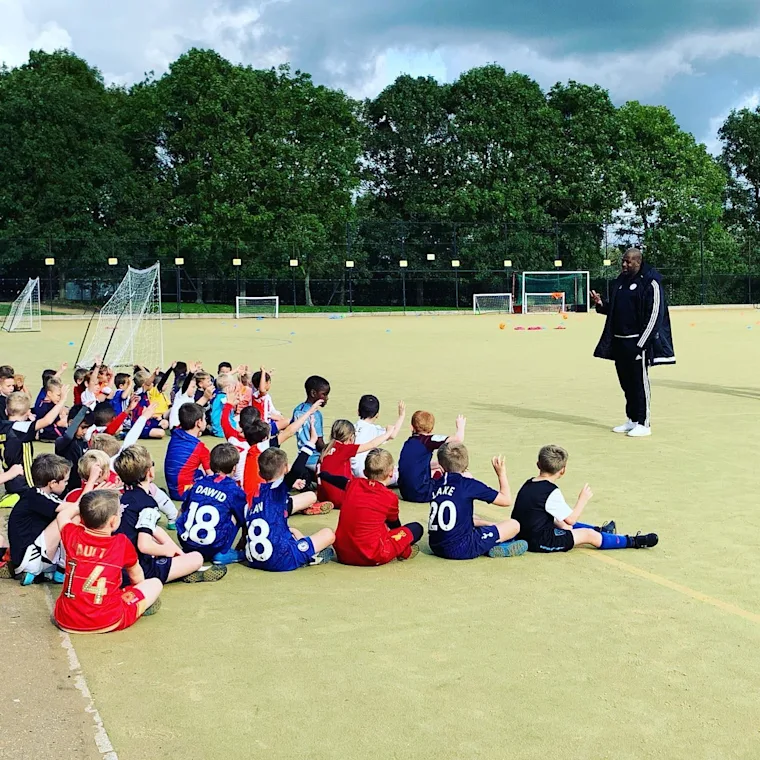
It starts with the coach. Soccer players must respect and listen to their coaches and follow instructions. Having the discipline to do so will ultimately lead to improved performances and an increase in ability.
When soccer players can see that they are getting better as a result of the work being done by the coach, they understand how respect and discipline towards those with a wider and deeper breadth of knowledge can be beneficial. This extends beyond the soccer pitch and into listening to parents, teachers and other people in a position of authority who they will come across in later life.
There must be respect for teammates. This is born out by an individual doing everything they can for the good of the team. Turning up to soccer training and matchdays on time, always giving 100 per cent effort and supporting everyone involved.
Soccer players have to respect the rules of the game too and those who administer them. So important is this that the FA launched an entire campaign called Respect ahead of the 2008-09 season. This has led to improvements in the way that players respond to referees but there remains a long way to go.
Those who break the rules of soccer – be it by fouling, handballing or any other illegal action – know that they risk punishment in the form of a yellow or red card. This teaches respect for the rules; a soccer player simply cannot ignore the laws without there being consequences and their behaviour must subsequently remain in check.
Using soccer as a bargaining tool with children
For children who love soccer and cherish playing the sport, then soccer coaching sessions are something to look forward to every week. They know that when they attend soccer training, they are going to see their friends, have fun and learn new skills to become better players.
That makes soccer a powerful bargaining tool for parents when it comes to discipline and encouraging good behaviour. If a child knows that their soccer attendance is dependent on how they have behaved at home and school, then it can be enough to ensure that they avoid being naughty in exchange for being allowed to play.
Denying a child the chance to do one of their most cherished activities can be difficult. No parent wants to know and willingly upset their kids. But if they have misbehaved and they realise there are consequences to their actions such as missing out on playing soccer, then it can be a moment of realisation into encouraging them into being less naughty in future. In the long run, that can only be a good thing.
If you still think that using the game time to encourage good behaviour is a form of bribery that is unfair to children, then consider this – the approach is used frequently in the adult game, up to the very top level.
Professional players who misbehave on the pitch, in training or away from soccer will often find themselves dropped to the bench or from matchday squads by their managers. The punishment is designed to teach them not to behave in the same way again.
In 2019, Gareth Southgate dropped Raheem Sterling for England after a training ground altercation with Joe Gomez. A year later and Harry Maguire left out the Three Lions squad after it came to light that he had been involved in an incident whilst holidaying in Greece.
Southgate was not afraid to play without two of his most important players to reiterate the importance of good behaviour, denying them the honour of representing their country. The result? Neither Sterling nor Maguire has put a foot out of line for England since, leading to the duo being two of Southgate’s standout players in the run to the Euro 2020 final in the summer of 2021.
How We Make Footballers encourage good behaviour
When a parent signs their child up for weekly soccer training sessions provided by We Make Footballers, the adult is arming themselves with several tools in the battle to encourage good behaviour and discipline.
Playing soccer itself teaches the importance of discipline and good behaviour. The aim of We Make Footballers is to improve every child so that they achieve the maximum of their potential – and they will only do so when they understand the role that teamwork, respect, behaviour and discipline all play in the sport.
It is the duty of the FA Qualified coaches working at We Make Footballers install this understanding and these traits in players. Children who attend weekly soccer coaching sessions show improved discipline and behaviour as a result.
For parents, the power of the carrot and stick approach cannot be underestimated. Enrolling a child with We Make Footballers gives them an activity they will love partaking in, at the same time as handing the adult a bargaining chip – if the child misbehaves, they miss out on their weekly soccer session.
If it is an approach which works when Southgate deploys it on millionaire professionals like Maguire and Sterling, then it will work on a soccer-loving seven-year-old.
To discover more about We Make Footballers, find your nearest weekly coaching academy and sign up for a free first session, please see the We Make Footballers website.
Related Articles
Scenario-Based Learning in Youth Soccer: Building Smarter Decision Makers
Turn training into a live game! Learn how to use scenario-based soccer drills to teach young players how to think, act, and communicate effectively under pressure.
Seasonal Soccer Training: Keeping Kids Active All Year
When the soccer season ends, how do you keep the passion alive? Discover fun drills and smart tips to keep your child active, engaged, and improving their skills all year round.
Soccer Beyond Fitness: How Mentoring Builds Resilience in Kids
Discover how soccer goes beyond fitness to build your child's mental well-being. Learn how positive mentoring helps develop resilience, confidence, and essential life skills.