

Physical Literacy Through Soccer: Developing Movement Confidence in UK Kids
Soccer is more than a game; it's a foundation for life. Discover how it builds physical literacy, boosts confidence, and improves coordination in a fun, supportive environment for kids.
WMF Coaching Team
4 min read
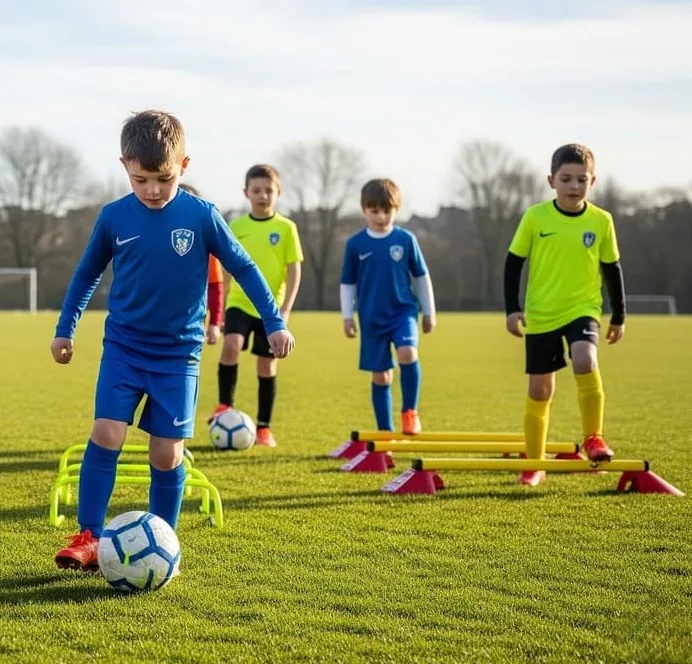
Unlocking Your Child's Potential Through Soccer and Physical Literacy
Ever wondered why a simple game of soccer might be the secret ingredient to a child’s confidence and coordination? When kids kick, dribble, and shout “goal,” they’re doing more than chasing a ball. They’re unlocking benefits of physical activity for child development that shape everything from focus in the classroom to lifelong healthy habits. Whether on a muddy pitch in Manchester or a community field in London, soccer sparks curiosity, teamwork, and the confidence young minds need to thrive.
What is Physical Literacy?
Physical literacy describes a child’s ability to move with competence, confidence, and enjoyment. In plain terms, it answers the question: what is physical literacy? It’s the mix of balance, spatial awareness, and the willingness to try new activities. Much like learning to read, children master movement “letters” such as running, jumping, twisting, and kicking. Early engagement in playful drills lays down natural motor patterns and reduces the fear of trying new sports. Coaches reinforce this with fun challenges like tag or balance games. Over time, “I can do it” becomes a mindset that fuels lifelong activity.
Fundamental Movement Skills in Soccer
At We Make Footballers, teaching fundamental movement skills in soccer is like building the foundation of a house. Skills such as controlled running, pivoting, accurate kicking, and quick stops are introduced through physical activity games for kids: zig-zag cone dribbles, mini relays, and one-v-one duels. These games develop agility, coordination, and decision-making while keeping sessions fun. As children master these basics, they step onto any pitch with confidence - whether a local park kickabout or a youth league match. Each small success encourages them to experiment and layer new skills, laying the groundwork for instinctive play and smart choices under pressure.
Benefits of Playing Sports at a Young Age Through Soccer
Signing up for soccer training taps directly into the benefits of playing sports at a young age. Sprinting for a ball builds stamina, quick passing sharpens focus, and teamwork nurtures social skills. Children learn resilience - every missed shot becomes a chance to laugh and try again. Early soccer introduces strategy too: spacing out on the wing, anticipating passes, or calling “man on.” These quick decisions double as brain training, improving problem-solving that extends into schoolwork. Soccer offers the whole package: fitness, focus, and friendships that shape character well beyond the pitch.
Importance of Physical Education for Kids
Physical education shouldn’t stay stuck in policy documents; it should feel alive. When a PE lesson turns into a soccer session, classrooms transform with energy and collaboration. Soccer for child development blends academic and athletic growth: calculating passing angles mirrors geometry, while working as a team strengthens empathy and communication. A single “give and go” call echoes lessons in trust and cooperation. Parents notice the difference - children return home buzzing, having learned as much about teamwork and confidence as about sport itself.
How Soccer Improves a Child’s Coordination
Parents often ask how to improve a child’s coordination without forcing formal drills. Soccer provides the answer. Simple activities like trapping a ball and pivoting, ladder footwork, or juggling foam balls fine-tune both gross and fine motor skills. Over time, children improve reflexes, balance, and agility. This enhanced coordination supports everyday life, from bike-riding and skateboarding to sprinting across the playground. Soccer becomes not just a sport, but a movement laboratory where confidence and control develop step by step.
Building Confidence Through Sports
Confidence doesn’t come from scores - it grows from effort and encouragement. At We Make Footballers, coaches praise commitment over outcomes, celebrating every attempt. Teammates cheer each other on, creating a supportive environment where risk-taking feels safe. As confidence builds, children carry it into all areas of life: raising hands in class, making new friends, or proudly showing skills to parents. Learning that mistakes are part of progress equips them with resilience for challenges on and off the pitch.
Next Steps: Join Our Soccer Academy to Boost Physical Literacy
Families across the UK choose We Make Footballers because we combine structured coaching with playful, welcoming environments. With 106 academies nationwide, we train more than 12,000 children each week in small groups capped at 10 per coach. Our sessions are designed to build physical literacy, teamwork, and a lifelong love of movement. Over 250 of our players have progressed into professional academies, proving that fun and ambition can grow together. From free trial sessions to half-term holiday camps, we offer flexible options for every family. Book online today or call our friendly team - let’s lace up and give your child the confidence to move, play, and thrive.
Related Articles
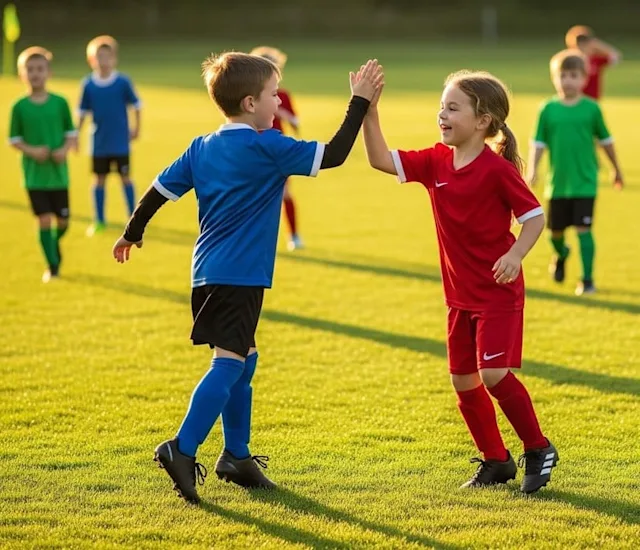
Scenario-Based Learning in Youth Soccer: Building Smarter Decision Makers
Turn training into a live game! Learn how to use scenario-based soccer drills to teach young players how to think, act, and communicate effectively under pressure.
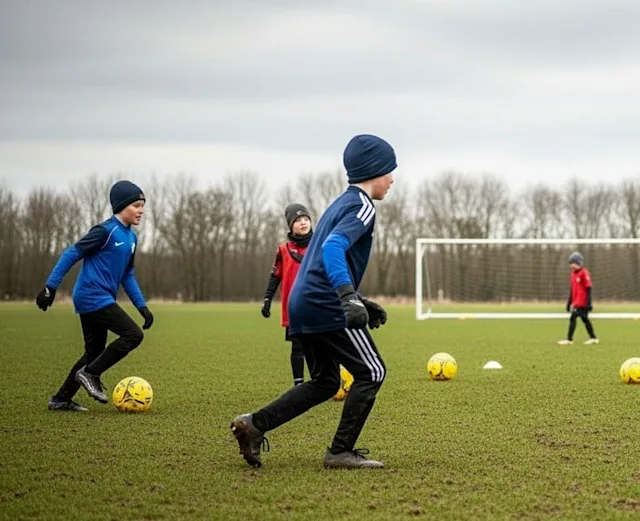
Seasonal Soccer Training: Keeping Kids Active All Year
When the soccer season ends, how do you keep the passion alive? Discover fun drills and smart tips to keep your child active, engaged, and improving their skills all year round.
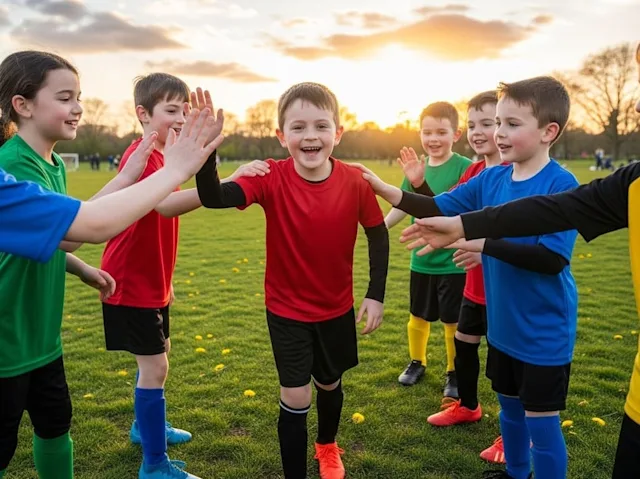
Soccer Beyond Fitness: How Mentoring Builds Resilience in Kids
Discover how soccer goes beyond fitness to build your child's mental well-being. Learn how positive mentoring helps develop resilience, confidence, and essential life skills.