

3v3 - Good or Bad for Grassroots Soccer?
Discussing the new 3v3 formats to be introduced by the FA, and looking into whether it will be positive or detrimental to young player development
WMF Coaching Team
7 min read
The Pros and Cons of Youth Soccer Formats:
A Focus on 3v3 for the Youngest Age Groups
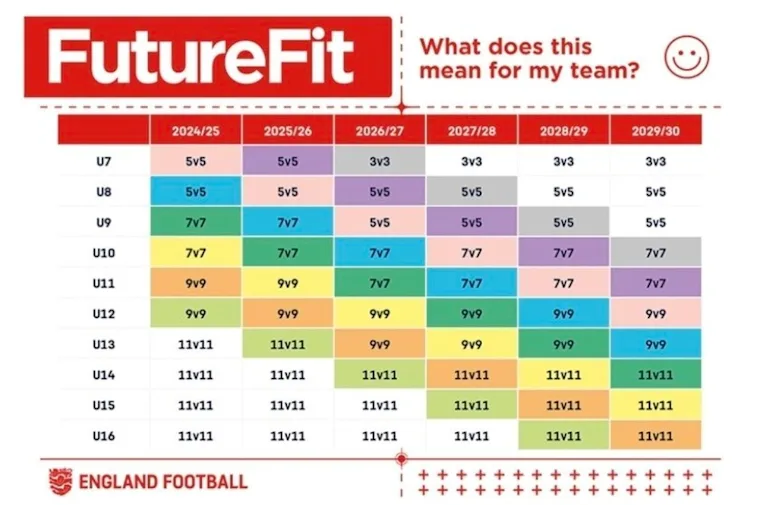
Youth soccer is a critical stage in the development of young players, not just in terms of skill acquisition but also in fostering a love for the game. The Football Association (FA) in England has, recently this week, introduced various formats for different age groups, including 3v3 for the youngest players.
The Evolution of Youth Soccer Formats
Traditionally, youth soccer mirrored the adult game, with young children playing 11v11 on full-sized pitches. However, research and experience have shown that this format is not and was not conducive to optimal development for young players. In response, the FA, over the past couple of decades in particular, have introduced smaller-sided games, such as 5v5, 7v7, 9v9, and, more recently, 3v3 for the youngest age groups to begin in 26/27 season.
The Case for 3v3 at the Youngest Age Groups
Pros:
- Increased Touches on the Ball:
- Simplified Decision-Making:
- Enhanced Physical Activity:
- Social and Emotional Development:
- Fun and Enjoyment:
Cons:
- Limited Tactical Understanding:
- Reduced Space Awareness:
- Potential for Over-Competitiveness:
- Limited Goalkeeping Experience:
- Transition to Larger Formats:
Summary
The introduction of 3v3 soccer for the youngest age groups is a positive step towards creating a more developmentally appropriate environment for young players. The increased touches on the ball, simplified decision-making, and emphasis on fun and enjoyment align well with the needs of children in the early stages of their soccer journey.
However, it is essential to recognize the potential limitations of this format. Coaches and parents must ensure that the focus remains on development rather than competition. Additionally, as players progress, they should be gradually introduced to more complex formats to ensure a smooth transition and continued growth.
Conclusion
The 3v3 format for the youngest age groups in youth soccer offers numerous benefits, including increased ball touches, simplified decision-making, and enhanced physical activity. It provides a fun and engaging environment that can help foster a love for the game. However, it is crucial to be aware of its limitations, such as reduced tactical understanding and potential challenges in transitioning to larger formats.
Ultimately, the key to successful youth development lies in striking a balance. The 3v3 format is an excellent starting point, but it should be part of a broader, well-rounded approach that gradually introduces young players to more complex aspects of the game as they grow and develop. By focusing on enjoyment, skill acquisition, and gradual progression, we can ensure that young players not only develop their soccer abilities but also cultivate a lifelong passion for the sport.
Related Articles

Competitive Soccer Teams and Player Development in Brynmawr | We Make Footballers
Discover the competitive soccer pathway available through We Make Footballers Brynmawr and WMF Gwent, helping young players develop their technical ability, confidence and match experience.
Soccer Classes for 4-Year-Olds in Blackwood | Parent’s Guide
Looking for soccer classes for a 4-year-old in Blackwood? Discover what to expect, whether your child needs experience and how We Make Footballers helps young players get started.
Competitive Soccer Teams and Player Development in Ebbw Vale | We Make Footballers
Discover the competitive soccer pathway available through We Make Footballers Ebbw Vale and WMF Gwent, helping young players improve their technical ability, confidence and competitive match experience.