

Emotional Development in Youth Soccer: Is it Okay for Kids to Cry in Soccer?
In the dynamic world of youth soccer, it's not uncommon to witness children expressing a range of emotions, including tears. In this article, we'll explore the reasons behind kids crying on the soccer field and discuss the crucial role parents, guardians, and coaches play in supporting their emotional development.
WMF Coaching Team
2 min read
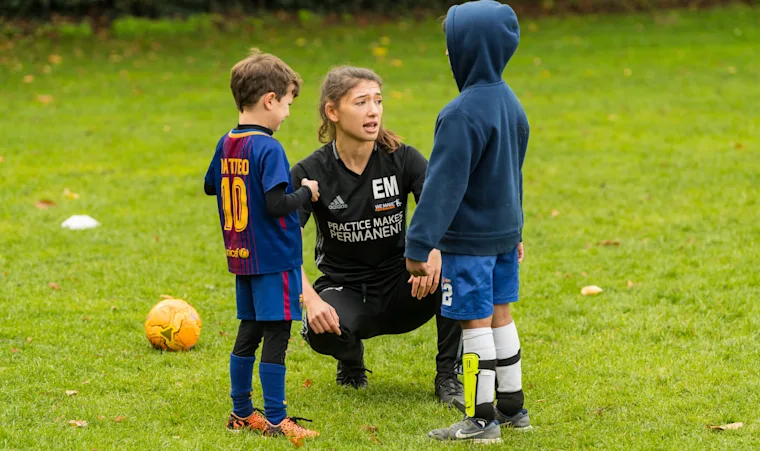
In the dynamic world of youth soccer, it's not uncommon to witness children expressing a range of emotions, including tears. In this article, we'll explore the reasons behind kids crying on the soccer field and discuss the crucial role parents, guardians, and coaches play in supporting their emotional development.
Understanding Emotional Responses in Children
It's natural for children to experience moments of frustration, disappointment, physical discomfort, or even injury during soccer. Crying is a typical emotional response for kids who are still in the process of emotional development. As adults, it's important for us to acknowledge and understand these emotions rather than dismiss them.
The Importance of Supportive Responses
When a child sheds tears on the soccer field, it becomes a pivotal moment for coaches and parents to respond appropriately. Reassure the child that it's okay to feel upset or frustrated, emphasizing that emotions are a normal part of the game. Let them know that you are there to support them through both triumphs and challenges.
Encouraging a Positive Mindset
Instead of putting unnecessary pressure on young players, it's crucial to create an environment where soccer is perceived as an enjoyable and learning experience. Coaches and parents should emphasize the importance of effort, improvement, and teamwork over winning or losing. This approach fosters a positive mindset, encouraging children to embrace challenges rather than fear failure.
Learning from Experiences
Every moment on the soccer field is an opportunity for growth and learning. Encourage children to reflect on their experiences, both positive and challenging ones. Teach them that setbacks are a natural part of any sport and that the key is to keep trying and improving. This mindset not only helps in soccer but also prepares them for life's challenges.
Balancing Expectations
It's crucial to strike a balance between nurturing a child's passion for soccer and managing expectations. Remember, young players are still developing both physically and emotionally. Placing excessive pressure on them can have adverse effects on their enjoyment of the game and overall well-being.
In conclusion:
In the journey of youth soccer, emotional moments are inevitable. Understanding and supporting a child's emotional development are essential aspects of fostering a positive and enriching soccer experience. As parents, guardians, and coaches, our role extends beyond the field – we are mentors guiding these young players through the ups and downs, shaping not just their soccer skills but their character as well. So, is it okay for kids to cry in soccer? Absolutely, as long as we respond with empathy, encouragement, and a commitment to their holistic development.
Related Articles

Why So Many Children Lose Confidence in Soccer (And How the Right Environment Changes That)
Thousands of UK children lose their love for soccer each year. Discover why confidence fades in youth soccer environments and how the right coaching approach can reignite passion, build skills, and keep children…
Soccer Training vs Soccer Teams: What’s Better for Young Players?
Parents often wonder whether soccer training or soccer teams are better for young players. This guide breaks down the key differences to help you choose the right path for your child’s development and enjoyment.
Mastering the Pass Back Rule: Learn from the Experts
Do young players panic with a back pass? This guide explains the rule clearly, covers common mistakes, and shows how to train smart decision-making to turn pressure into possession.