

Mastering the Pass Back Rule: Learn from the Experts
Do young players panic with a back pass? This guide explains the rule clearly, covers common mistakes, and shows how to train smart decision-making to turn pressure into possession.
WMF Coaching Team
9 min read
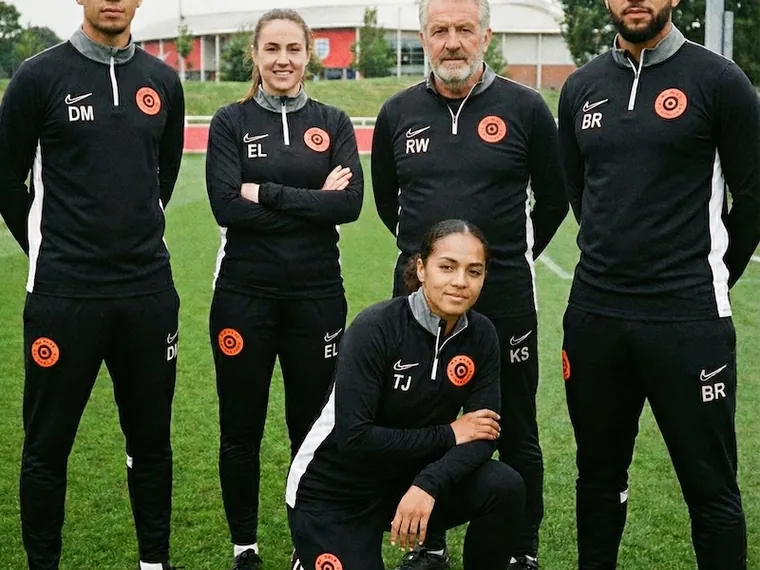
The Pass-Back Rule in Soccer: A Player’s Tactical Guide
In soccer, the smallest decisions often shape the entire rhythm of a match. One simple pass could reset your team’s shape, control possession, and relieve pressure - if it’s done right. That’s why understanding the pass-back rule isn't about boring technicalities. It’s about how smart, confident players manage the game.
Too many young footballers see the back pass as a last resort or something to panic over. In reality, it's a weapon - when combined with skill, awareness, and good coaching. In this article, we'll explain exactly what the rule is, why it matters, how to avoid mistakes, and what good backpassing looks like when it's trained properly.
What Is the Pass Back Rule?
Simply put: the pass back rule in soccer makes it illegal for a goalkeeper to handle the ball when it’s deliberately kicked to them by a teammate.
This rule was first introduced by FIFA in 1992 to speed up the game and prevent time-wasting tactics that slowed matches down. Before the rule, defenders often passed slowly to the keeper, who would pick it up and waste precious seconds in possession.
The key points of the soccer pass-back rule:
- If a player deliberately kicks the ball with their foot to the goalkeeper (not a header or chest), the keeper cannot pick it up with their hands
- If they do handle it, the opposing team is awarded an indirect free kick from the spot of the touch
- The ball must be kicked, not deflected or accidentally misplayed
- Backwards pass soccer is legal - it’s only handling the ball after a foot pass that’s penalised
This definition matters because a lot of confusion still exists. Many players and even coaches misunderstand what counts as a “deliberate kick”, and many young keepers freeze under pressure instead of using their feet.
Whether it’s a short square ball inside the box, or a long restart from midfield, knowing the soccer rules back pass standard gives players and goalkeepers license to make smarter, bolder decisions.
Why Understanding the Pass Back Rule Matters
Understanding the soccer pass back rule is about more than avoiding a free kick against you - it's about mastering tempo.
From U9s to the Premier League, confident defenders and keepers use the backward pass in soccer as a way to invite pressure, stretch opponents, and recycle possession into space.
Here’s how it plays out in real games:
- A centre-back is pressured, pivots, and lays off a pass back to the keeper to reset
- Instead of panicking, the goalkeeper receives it with their feet, opens their body, and plays into midfield
- The entire team breathes - shape restored, rhythm regained
That’s the power of knowing the rule and knowing how to use it.
The soccer back pass rule is often framed as defensive. But for players who understand deeper tactics, it’s the opposite. It’s a trigger for smart restarts, switching sides, and controlling the momentum - especially in tight games.
It’s also a mental benchmark. Players who train with the pass back in soccer as part of their normal routine learn to stay calm when under pressure. That’s one reason why goalkeepers at the top level are becoming playmakers in their own right.
Common Mistakes Young Players Make
Even players with strong technical skills struggle with this part of the law. Here are the most common errors we see at the youth level when dealing with the pass-back soccer rule:
Confusing “clearances” with passes
A messy touch off a defender's shin isn’t a pass. But if the defender calmly side-foots the ball toward the keeper while under no threat? That’s 100% a pass back to the goalkeeper and must not be handled.
Freezing under pressure
Young goalkeepers in particular often don’t trust their footwork. So when a clean soccer pass back comes to them, they hesitate - and either pick it up illegally or panic their touch.
Misusing back passes
Sometimes, defenders treat back passes as the easy way out - kicking blindly toward their own box instead of looking for options forward. This gives opponents territory and confidence.
Hesitating to play short because of fear
Fear of a rule or a whistle shouldn’t stop players from using smart passing decisions. Backpassing is smart - when timed right and executed cleanly. But youth players often lack training and simply avoid risk altogether.
At We Make Footballers, we’ve found that when players are taught this rule from a young age as part of normal game control, it becomes intuitive. They stop panicking and start scanning.
How We Teach Smart Back Passing at We Make Footballers
Backpassing is not just a rule to remember - it’s a tool to develop decision-makers.
Many soccer academies avoid teaching the pass-back soccer rule until players are older. At We Make Footballers, we take a different approach: we make it part of the game environment from the start.
Because we use a small-group training model, players get more touches, more real decisions, and more individual coaching attention. That means we can introduce complex match rules - like the soccer pass back rule - in a natural, stress-free way through repetition and explanation rooted in match play.
How We Train It:
- Game-Based Scenarios
- Trigger Recognition
- Goalkeeper Footwork
- Educating on the Rule
By weaving technical rules into day-to-day training, players don’t just know the rule - they understand how to use it tactically and calmly. Our coaches support keepers and outfield players equally in dealing with back passes, helping players grow in total match awareness.
Building Confidence and Decision-Making on the Pitch
The back pass is about more than mechanics. It’s a decision. A good player knows when to pass back, how much weight to put on it, where the goalkeeper wants it, and what happens after.
These are tactical decisions that develop through training and confidence. It’s a looping cycle: the more confident a player becomes passing backwards, the more composed they are under pressure. And the more composed they are under pressure, the more confident they’ll be to face difficult matches.
Key qualities we focus on at WMF:
- Awareness: Young players are trained to scan before and after making a back pass - never turning their back on the next phase
- Technical execution: Stronger, cleaner passes on the ground give goalkeepers options - not problems
- Understanding risk: Not every situation requires a pass back to the goalkeeper. Players are taught to weigh up field position, pressure level, and teammates' movement
We encourage young players to ask themselves before every back pass:
- “Is this helping my team keep the ball?”
- “Can I give my goalkeeper the time and angle they need?”
- “Am I passing because it's the right decision - or just to escape pressure?”
By turning the pass back rule into a learning opportunity, we get players thinking tactically. That’s what turns kids who follow rules into players who control matches.
At We Make Footballers, we see this shift all the time. A nervous U10 centre-back becomes an U12 leader - directing teammates, choosing clean back passes, and trusting the keeper to play out. When players practice backwards passing with intent, they don’t just understand the soccer pass back rule - they own it.
Why Tactical Coaching Makes the Difference
You can’t master the back pass in soccer by only knowing the rulebook. You need real coaching - not just drills, but feedback. Gentle correction. Layered progression. Repetition with intention.
Tactical skills like backpassing don’t evolve from YouTube videos or playing randomly in the park. They come from structured training, challenge-based decisions, and being allowed to try, fail, and improve in a space that encourages growth.
Whether it’s positioning for a backward pass in soccer, body angle before receiving, or encouraging young keepers to stay calm when pressing forwards close to them down none of that happens in a vacuum.
That’s why structured, thoughtful soccer personal training methods - like the ones used at WMF - help players go beyond “what’s allowed” and start thinking in terms of what’s effective.
Conclusion
The pass back rule isn’t a dry bit of soccer law tucked into the bottom of the handbook - it’s a real-world, game-changing detail that smart players use to their advantage.
Understanding how to manage back passes, how to time them, when to use them, and how to keep possession under pressure through the keeper - it’s all part of developing a complete soccer brain.
The rule itself is straightforward: you can’t pass back to the goalkeeper with your foot and let them pick it up. But teaching that to young players isn’t about just shouting what not to do - it’s about creating sessions where that kind of pass is expected, explained, and gradually mastered.
At We Make Footballers, backpassing is part of daily play. Not isolated. Not avoided. So players don’t panic when the moment comes. They act with calm, timing, and purpose.
So if you're a parent, a coach, or a player learning the game: teach and use the back pass rule in soccer as a platform - not a punishment. Train the decision, not just the skill. And help players read the game, not just react to it.
That’s how footballers become tacticians. One smart soccer pass back at a time.
Related Articles
Why So Many Children Lose Confidence in Soccer (And How the Right Environment Changes That)
Thousands of UK children lose their love for soccer each year. Discover why confidence fades in youth soccer environments and how the right coaching approach can reignite passion, build skills, and keep children…
Soccer Training vs Soccer Teams: What’s Better for Young Players?
Parents often wonder whether soccer training or soccer teams are better for young players. This guide breaks down the key differences to help you choose the right path for your child’s development and enjoyment.
Train Soccer Skills by Yourself: Best Solo Drills
Take your skills to the next level on your own terms. Learn our top individual soccer drills for improving your first touch, footwork, and confidence with the ball. All you need is a ball and some space.