

How Soccer Training Builds Resilience in Children Aged 4–12
Soccer is more than a sport—it’s a tool for building resilience in 4–12-year-olds. At We Make Footballers, we teach kids to bounce back, embrace challenges and grow through the joy
WMF Coaching Team
4 min read
How Soccer Training Builds Resilience in Children Aged 4–12
Cultivating Soccer Resilience in Young Players
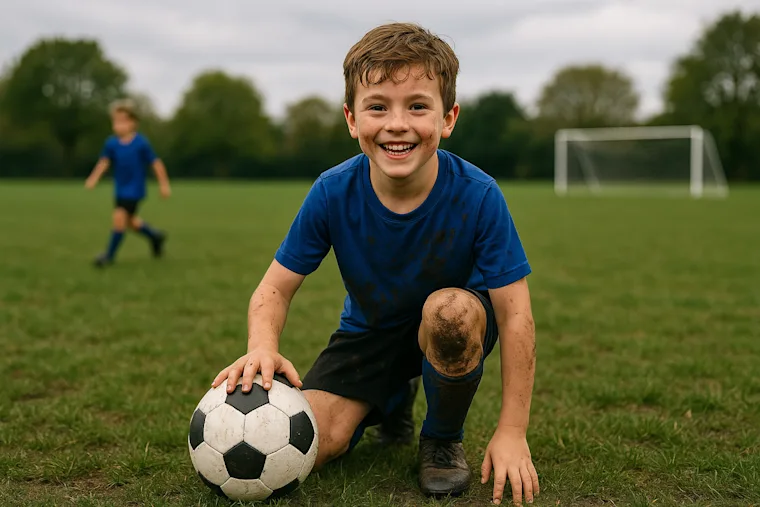
If you’ve ever seen your child beam after scoring a muddy goal—or watched them miss a shot and shake it off with a smile—you already know: soccer is about more than just skills. For many kids in Australia who play for the joy of the game, not for trophies, the real magic is in the lessons they learn when no one’s keeping score. Let’s talk about how We Make Footballers uses soccer to build resilience in children aged 4–12, and how you can support your young player—cuppa in hand—from the sidelines.
Understanding Resilience
So, what exactly is resilience? It’s more than a buzzword—it’s the bounce-back ability kids show when things don’t go their way.
Picture this: your child charges towards goal, trips, and loses the ball. Do they stomp off? Or do they jump back up, grass-stained and grinning, ready to try again? That’s resilience. At We Make Footballers, we see this every week—it’s not the goal count that matters, but the courage to keep going, the willingness to try again, and the attitude that effort counts more than perfection.
Building Character
At its heart, soccer is a character-building adventure. It’s not about creating the next superstar—it’s about nurturing kids with heart, humour, and determination.
Children learn patience when the ball doesn’t come their way, courage when stepping into new drills, and humility when helping a teammate who’s missed a goal. These moments—small but powerful—shape their mindset. At We Make Footballers, we make space for all of it, rain or shine, knowing that showing up is sometimes the biggest win of all.
Signs of Resilience (and Lack Thereof)
Resilience doesn’t always shout. Sometimes it looks like a shrug and a smile after a missed chance. Here are some signs we see in kids building resilience through soccer:
- Positive signs: Smiling after setbacks
- Getting up quickly after a fall
- Encouraging others—even during tough sessions
- Trying new skills without fear of failure
- Staying engaged even when tired or challenged
And what about signs that resilience might need support?
- Refusing to participate or avoiding training
- Frequent frustration or tearful reactions to mistakes
- Consistently blaming others or giving up easily
- Unwillingness to take on new challenges
All kids have their moments—but recognising patterns helps you know when a boost in support, or a gentle conversation, can make all the difference.
Building Blocks of Resilience
Resilience isn’t something kids either “have” or “don’t”—it’s built slowly, like strength training for the mind and heart. And We Make Footballers incorporates this into every training block.
- Growth mindset: Kids are praised for effort, not just outcome—“You kept going, even when it was tough!”
- Real feedback: Coaches celebrate things like persistence, bravery, and kindness—not just goals scored.
- Coping tools: From breathing after a missed shot to stepping forward for a retry, kids develop ways to deal with stress, not avoid it.
It’s about giving them room to fail safely and try again—while celebrating every step forward, no matter how small.
The Role of Parents in Developing Resilience
This part can be tricky. We all want to help—shout advice, fix things, protect them from the sting of losing. But sometimes, the best thing we can do is step back and watch them grow.
- Stick to a steady soccer routine—consistency helps kids feel secure and motivated
- Celebrate effort over results—“I loved how you kept running!” goes further than “Did you win?”
- Talk about the ups and downs after training—car rides or snack time are great for this
- Just being present matters—whether you’re cheering or multitasking, your presence speaks volumes
And if your child isn’t the fastest or most skilled? That’s perfectly fine. At We Make Footballers, every child is given equal attention, care, and the chance to grow in their own time.
Integrating the 5 Pillars of Resilience into Soccer
Ever heard of the “5 pillars” of resilience? They’re simple, powerful concepts that We Make Footballers blends into each session—often without children even realising it.
- Self-awareness: Kids begin to understand their emotions and reactions
- Mindfulness: Staying present during a drill or match—focused and grounded
- Self-regulation: Managing big feelings like frustration or excitement
- Mental agility: Adapting quickly when plans change—like switching positions mid-game
- Character strengths: From courage to kindness, soccer highlights them all
These values aren’t just buzzwords—they’re lifelong tools. When a child who once hesitated now volunteers to lead warm-ups, or helps a teammate without being asked, you know something special is taking root.
At We Make Footballers, we believe resilience isn’t about never falling. It’s about how many times you get back up—with a smile, a little more strength, and the confidence to try again next week.
Related Articles

Why So Many Children Lose Confidence in Soccer (And How the Right Environment Changes That)
Thousands of UK children lose their love for soccer each year. Discover why confidence fades in youth soccer environments and how the right coaching approach can reignite passion, build skills, and keep children…
Soccer Training vs Soccer Teams: What’s Better for Young Players?
Parents often wonder whether soccer training or soccer teams are better for young players. This guide breaks down the key differences to help you choose the right path for your child’s development and enjoyment.
The Soccer Short Pass Explained: Techniques and Drills
Master the art of the short pass. Learn the core techniques, simple drills, and on-pitch awareness that form the foundation of modern possession soccer. Essential for every aspiring player.