

What Should a 9 Year Old Be Able to Do in Soccer?
Soccer is not just a game; it's a journey of growth and development, especially for young players. As children embark on their soccer journey at the age of nine, there are crucial milestones that contribute to their overall development. In this article, we will explore what a 9-year-old should be able to do in soccer, encompassing physical, technical, tactical, cognitive, emotional, and social aspects.
WMF Coaching Team
4 min read
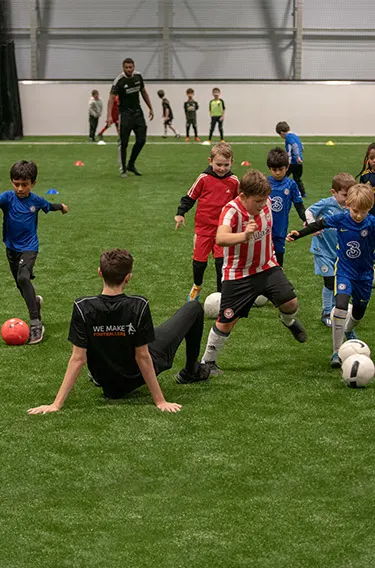
Soccer is not just a game; it's a journey of growth and development, especially for young players. As children embark on their soccer journey at the age of nine, there are crucial milestones that contribute to their overall development. It's worth remember though, that all children have different learning and development speeds. Therefore, we don't really like the word 'should' when framed in this question. We understand that in searching for answers for 'what should a 9 year old be able to do in soccer' it helps to have an idea of what is normally expected should the ambition of the child be to have a good level of soccer at the age of 9. In this article, we will explore what a 9-year-old should be able to do in soccer, encompassing physical, technical, tactical, cognitive, emotional, and social aspects.
I. Introduction
Soccer at the age of nine is more than just kicking a ball around. It sets the foundation for a child's physical, mental, and emotional growth. Understanding the age-appropriate expectations is vital for fostering a positive and rewarding experience for young soccer enthusiasts.
II. Physical Development
At nine, children experience significant physical development. Their agility, coordination, and basic motor skills are key components of successful soccer play. Engaging in activities that enhance these physical attributes is crucial for a young player's progress on the field.
III. Technical Skills
Developing technical skills is paramount for a 9-year-old in soccer. Mastering the basics of passing, dribbling, shooting, and ball control lays the groundwork for more advanced skills in the future. These fundamental skills are the building blocks of a well-rounded player.
IV. Tactical Understanding
While tactical sophistication might not be extensive at this age, fostering a basic understanding of teamwork and game scenarios is essential. Encouraging cooperative play and introducing simple tactical concepts contribute to a child's overall soccer IQ.
V. Cognitive Development
Soccer is not just a physical sport; it engages the mind. Decision-making, spatial awareness, and understanding game strategies become increasingly important at this stage. Nurturing cognitive skills on the field translates into sharper and more adaptive players.
VI. Emotional and Social Growth
Beyond the technicalities, soccer is a social sport. Teaching teamwork, communication, and sportsmanship ensures that young players not only excel on the field but also grow emotionally and socially through the sport.
VII. Age-Appropriate Drills and Training
Creating an engaging and enjoyable training environment is crucial for a 9-year-old in soccer. Incorporating age-appropriate drills and training methods ensures that learning is fun, fostering a love for the game.
VIII. The Role of Coaches and Parents
Coaches and parents play pivotal roles in a child's soccer journey. Positive reinforcement, encouragement, and providing a supportive environment are essential for building confidence and enthusiasm in young players.
IX. Balancing Fun and Development
While skill development is crucial, maintaining the element of fun is equally important. Striking a balance between structured development and recreational play ensures that a child's love for the game remains intact.
X. Challenges and Solutions
Challenges are inherent in any learning process. Acknowledging common obstacles and providing effective solutions helps young players navigate setbacks and build resilience, both on and off the field.
XI. Celebrating Progress
Recognition of a child's achievements and progress is key to motivation. Celebrating milestones, no matter how small, instills a sense of accomplishment and encourages continued effort.
XII. Age-Appropriate Competition
Introducing friendly competitions and leagues at this age fosters a healthy sense of competition. Creating an environment where winning is not the sole focus encourages skill development and teamwork.
XIII. Safety Measures
Ensuring the safety of young footballers is paramount. Implementing safety measures and educating players on injury prevention contribute to a positive and secure soccer experience.
XIV. Building a Lifelong Love for the Game
Beyond the developmental years, instilling a passion for soccer that lasts a lifetime is a holistic approach to player development. Encouraging a love for the game goes beyond the field, impacting a child's overall well-being.
XV. Conclusion
In conclusion, what a 9-year-old should be able to do in soccer goes beyond technical skills. It encompasses physical, mental, and emotional growth. Nurturing a positive and supportive environment, celebrating progress, and balancing fun with development are key to fostering a lifelong love for the game.
Related Articles

Why So Many Children Lose Confidence in Soccer (And How the Right Environment Changes That)
Thousands of UK children lose their love for soccer each year. Discover why confidence fades in youth soccer environments and how the right coaching approach can reignite passion, build skills, and keep children…
Soccer Training vs Soccer Teams: What’s Better for Young Players?
Parents often wonder whether soccer training or soccer teams are better for young players. This guide breaks down the key differences to help you choose the right path for your child’s development and enjoyment.
Mastering the Pass Back Rule: Learn from the Experts
Do young players panic with a back pass? This guide explains the rule clearly, covers common mistakes, and shows how to train smart decision-making to turn pressure into possession.