

Developing Social Skills Through Soccer: What Kids Learn Beyond the Game
See how soccer helps your child grow emotionally, socially, and confidently—while having fun.
WMF Coaching Team
5 min read
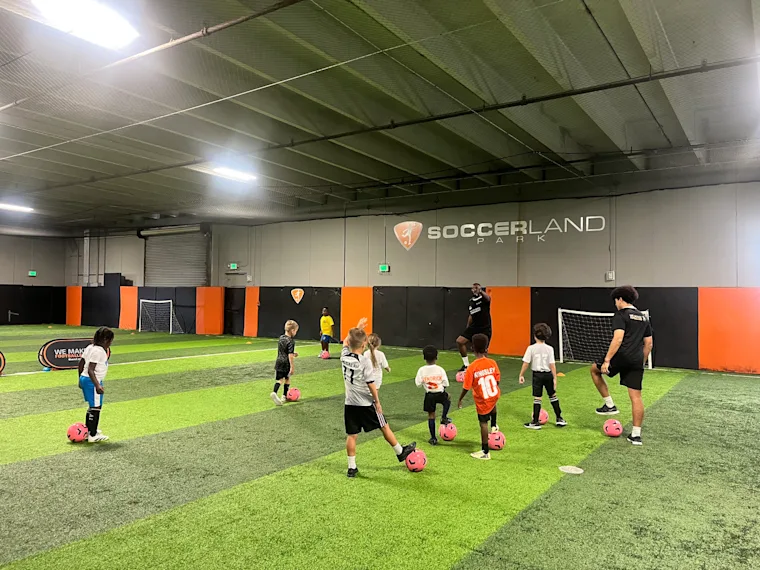
Developing Social Skills Through Soccer: What Kids Learn Beyond the Game
The Positive Impact of Soccer on Kids’ Social Skills: Kicking Goals On and Off the Field
If you’re a parent, you know there’s more to soccer than chasing a ball across a grassy field. It’s not just about nifty footwork or learning the offside rule—though, let’s be honest, even some adults get tangled up with that one. Soccer is a playground for growing social skills, and those lessons stretch far beyond match day. Whether your child is the chatty one eager to laugh with friends or a quieter soul hanging back from the limelight, the world of soccer is an open invitation to connect, learn, and belong. Let’s walk through all the ways soccer gently shapes friendships, sparks confidence, and lets kids discover strengths they never knew they had.
Teamwork and Cooperation
Soccer has a funny way of turning a jumble of kids into a team. You might start with a group who barely know each other, but add a neon ball, some cones, and one enthusiastic coach, and suddenly—magic.
Building a Team Player
A lot of kids, especially the more playful or social ones, love the buzz of being together. On the field, everyone matters—not just the star striker. Players need to pass, back each other up, and cheer each other on. Kids pick up how to collaborate, listen, and share success.
Enhancing Collaboration Skills
As children practice together, they learn to communicate clearly and supportively. They gain respect for coaches, peers, and the rhythm of teamwork. It’s this natural, encouraging environment that makes soccer training at places like We Make Footballers such a valuable experience.
Communication Skills
Ever listened in on a kids’ match? The chatter is electric—calls for the ball, shouts of “man on!” or even giggles when someone pulls off a silly dance after scoring.
Verbal Communication
Soccer teaches children to be direct and vocal: calling for the ball, organizing the game, and giving feedback. Structured training sessions ensure that even shy children find their voice.
Nonverbal Communication
Beyond words, kids also develop the ability to read body language, offer encouragement with gestures, and build deeper connections—all through movement and awareness.
Building Friendships
Honestly, one of the best parts about soccer is those friendships that start with shared laughter and maybe a muddy jersey or two.
Creating Bonds
Working toward a common goal builds camaraderie. Whether it’s a win, a tough match, or just snack time after practice, the shared moments turn teammates into friends.
Social Integration
Children of all temperaments—outgoing, reserved, or somewhere in between—find a place to belong. With a max of 10 players per coach at We Make Footballers, every child is seen, included, and supported.
Developing Confidence
Confidence blooms in every high-five, goal, or new skill mastered. Soccer is a celebration of progress, not perfection.
Boosting Self-Esteem
Structured praise and skill-based achievement mean that kids don’t just feel better about themselves—they believe in their growth.
Learning Resilience
Soccer, like life, includes wins and setbacks. Players learn to handle frustration, try again, and take pride in persistence.
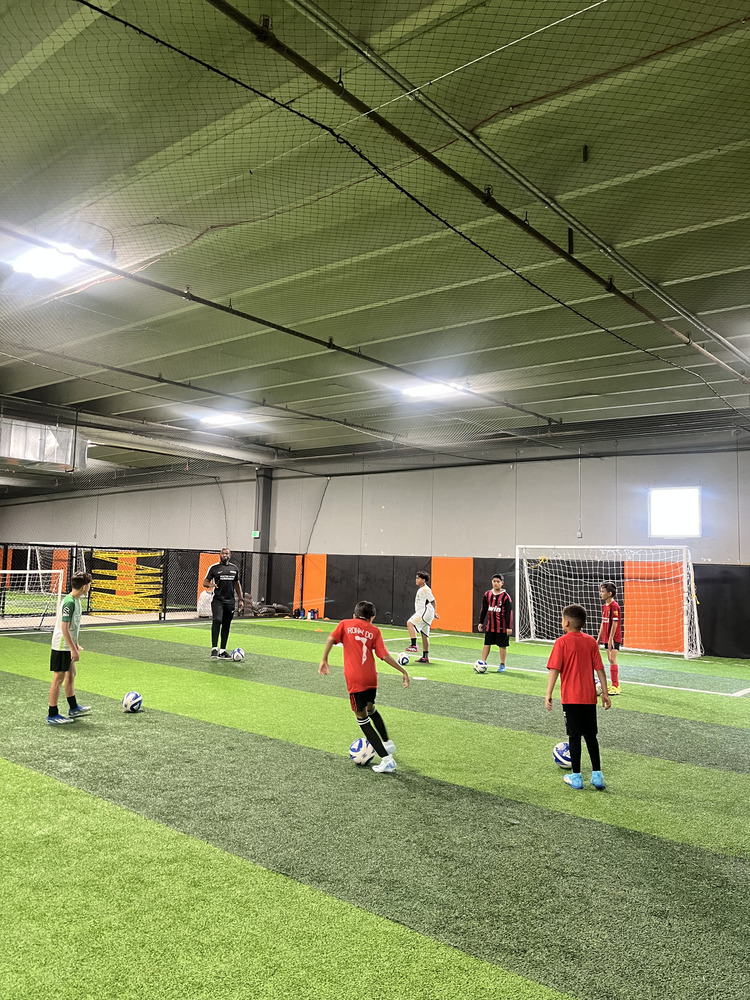
Leadership and Responsibility
Even the youngest players can take on meaningful roles within a team.
Taking Initiative
Whether it’s helping with equipment, leading stretches, or encouraging others, kids practice stepping up.
Learning Responsibility
Bringing the right gear, showing up on time, and staying focused on tasks are small steps toward long-term personal accountability.
Problem-Solving and Critical Thinking
Every play is a mini puzzle, and soccer training provides plenty of them.
Strategic Thinking
Kids learn when to pass, when to dribble, and how to react to unexpected situations—building quick thinking and planning skills.
Decision-Making Under Pressure
With guidance from coaches, players learn to stay calm, think clearly, and make smart decisions during fast-paced action.
Cultural Awareness and Inclusion
Soccer brings together kids from all backgrounds, and the field becomes a lesson in empathy and respect.
Embracing Diversity
Teams are naturally diverse, and children get to experience different perspectives and styles through sport.
Promoting Inclusion
AtWe Make Footballers, inclusivity is central. Children of all playing levels are welcomed equally, with programs structured to ensure every child thrives.
Emotional Regulation and Empathy
From the thrill of scoring to the sting of missing, soccer helps children process emotions constructively.
Managing Emotions
In a setting that’s active but supportive, children learn to channel frustration, celebrate appropriately, and remain composed.
Fostering Empathy
When teammates struggle or succeed, kids share those experiences—learning to console, uplift, and stand together.
Health and Well-Being
Physical fitness comes naturally when kids are excited to play.
Physical Fitness
Drills and games improve agility, coordination, and endurance. Children build fitness in a fun, dynamic environment without feeling like they’re in a workout.
Stress Relief
Soccer sessions offer a release—giving kids a break from school pressures and a joyful space to just be kids.
Long-Term Benefits
The social skills learned through soccer don’t end with childhood.
Academic Achievement
Improved focus, time management, and perseverance from regular sports training carry over into school life, helping children succeed academically.
Lifelong Skills
Teamwork, resilience, and empathy are assets for life. Soccer helps kids grow into capable, confident adults ready for any challenge.
Wrapping Up
If you’re looking for a regular, inclusive, and development-focused activity, soccer through We Make Footballers is a great choice. Children gain physical strength, emotional intelligence, and strong social bonds—while having fun every step of the way. And for you, the parent? A welcoming community, reliable schedule, and the joy of watching your child thrive. What more could you ask for?
Related Articles
Indoor vs Outdoor Soccer Training: What’s Best for Your Child?
Indoor vs outdoor soccer training explained to help parents choose the right environment for kids.
Why Indoor Soccer Training Is Better for Young Players
Indoor soccer training provides a safe space for young players to build skills and confidence.
5 Indoor Soccer Drills to Keep Your Kids Active Over Winter Break
Keep kids' soccer skills sharp over winter break with 5 fun indoor drills using household items.