

Building Soccer Skills at Every Age: Encouraging Childhood Development Through Sport
Soccer builds more than skills — discover how kids grow in confidence, fun & life lessons.
WMF Coaching Team
5 min read
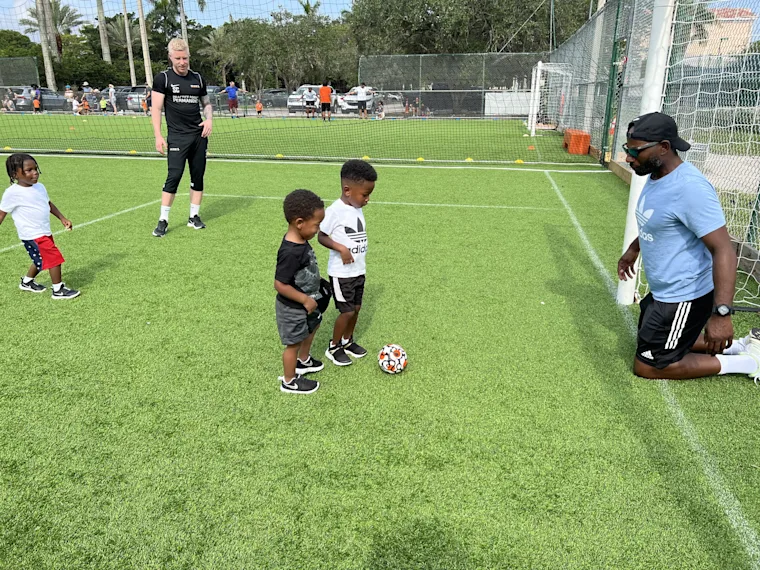
Building Soccer Skills at Every Age: Encouraging Childhood Development Through Sport
Building Soccer Skills at Every Age
Soccer’s much more than chasing a ball and kicking goals. For kids, it’s often the first place they learn about teamwork, patience, and that sometimes you win... sometimes you don’t. If you’re looking for a friendly, welcoming spot where your child can have fun and pick up life-long skills, you’ve probably wondered: is there something nearby where they’ll feel safe, supported, and never left on the sidelines? Well, you’re not alone. Families across the USA are discovering how encouraging childhood development through sport—especially soccer—can bring joy, friendship, and confidence to growing kids.
How Soccer Can Help Young Players Develop Life Skills
Let’s be honest: every parent wants their child to feel happy and confident on and off the field. Soccer naturally brings this out. It teaches kids communication—shouting “I’m open!” or giggling with teammates. They pick up problem-solving when trying to outsmart a tricky defender. Most importantly, they discover something wonderful about themselves each time they lace up their boots: a sense of belonging.
You might notice your child starting to tidy up after practice or encourage a friend who missed the goal. All those little lessons? They come from learning through play. Soccer’s a safe testing ground for real life—and if you ask me, sometimes the best life coach comes in the shape of a slightly muddy soccer ball.
Major Skill Groups
It’s easy to forget just how many skills kids develop running around a pitch. Here’s a quick breakdown of the four main groups coaches (and clubs like We Make Footballers) focus on:
- Technique: Dribbling, passing, controlling the ball (even if it’s rolling away like it’s got a mind of its own).
- Game Intelligence: Figuring out where to go, when to pass, and how to work together. It’s like chess—just with grass stains.
- Physical Fitness: Agility, coordination, stamina, and balance. Honestly, who doesn’t wish they still had a 7-year-old’s boundless energy?
- Mindset: Building confidence, resilience, and sportsmanship—celebrating both the little wins and those moments when the ball sails just wide.
Every session, a great coach’s goal is to help kids grow in all these areas—whether your child scores the winning goal, or just enjoys chasing butterflies by the corner flag.
Activities and Exercises for Young Players
Here’s the thing: not every soccer drill is right for every age. Trying to get four-year-olds to “run a lap” is like herding cats—adorable, but not what you hoped for. That’s why the best clubs use age-appropriate activities. Let me break it down:
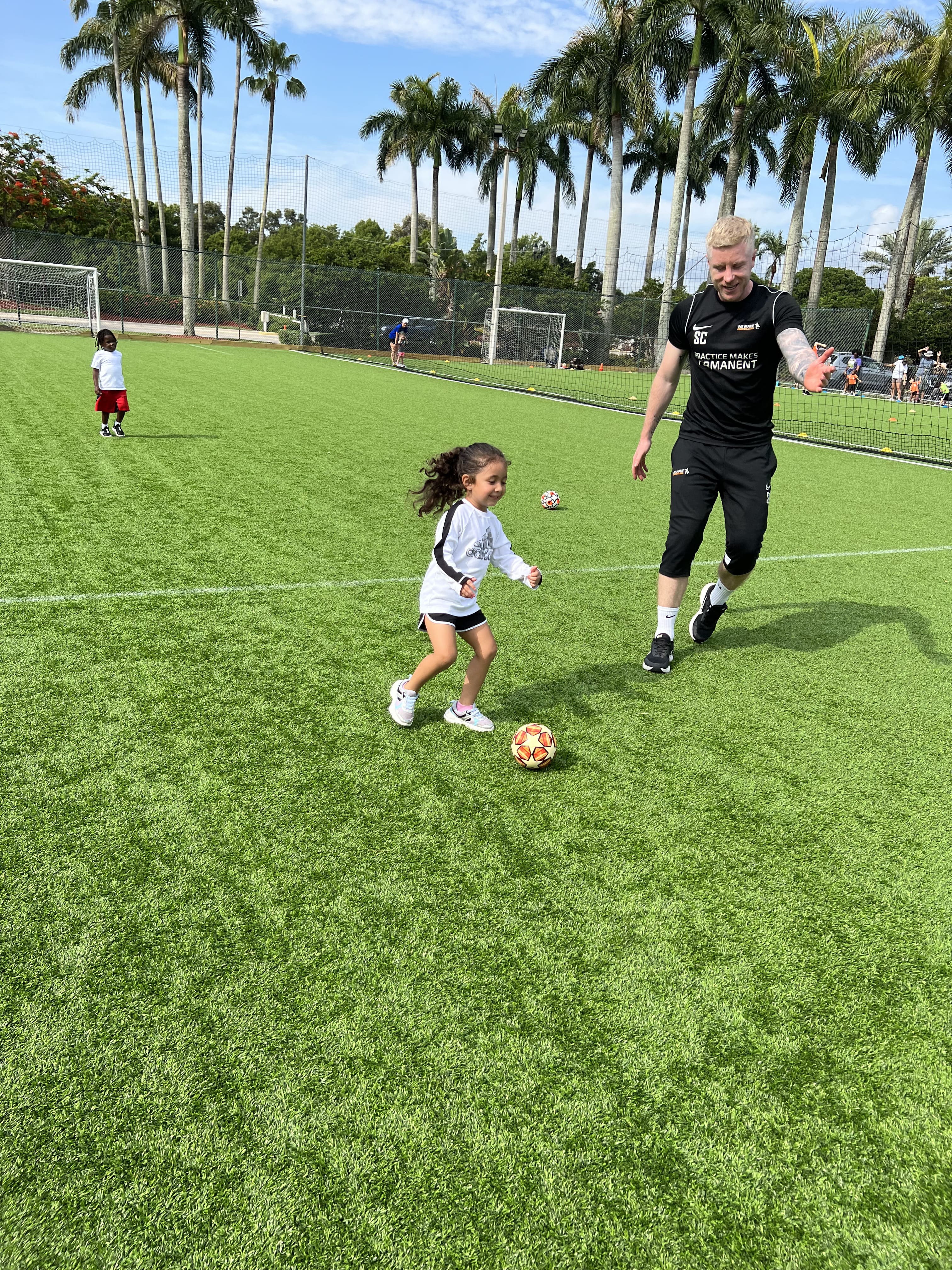
3 to 5 Years Old
The main aim? Let them have fun. Short, simple games work wonders:
- “Red Light, Green Light”: Teaches listening and quick stops/starts.
- Chase the Coach: Kids follow a grownup, giggling their heads off as they change direction.
- Mini Obstacle Courses: Great for balance, coordination, and frequent snack breaks.
The focus is more on play and adventure than strict skill-building. At this age, laughter’s the best measure of success.
6 to 8 Years Old
Kids start to love the ball (and sometimes, showing off a little):
- Dribbling Relays: Keep things speedy and competitive, without pressure.
- Tag Games: Mixing ball work and bursts of running for stamina and agility.
- Pirate Ship: Imagination meets footwork—set up cones as “islands,” and let kids practice moving the ball around obstacles.
9 to 11 Years Old
Now it’s time for more structure—but fun’s still the name of the game:
- Passing Pairs: Building teamwork and communication (shouting friend’s names encouraged).
- Shooting Drills: Practicing accuracy and power—kids love hearing that “thunk” on the net.
- Interval Training: Short sprints mixed with slower recovery jogs—without turning it into a boot camp.
12 to 15 Years Old
Older kids are craving challenge and independence. Think:
- One-Touch Passing: Speeds up decision-making under pressure.
- Conditioned Scrimmages: Tweaking rules to focus on skills like quick transitions or teamwork.
- Endurance & Strength Circuits: Medicine balls, cones, and laughter—surprisingly effective combo.
15 to 18 Years Old
This is where things get intense, but not overwhelming:
- Rondos: Fast, small-group keep-away games for touch and control.
- Advanced Scrimmages: Letting kids make decisions, take leadership roles, and get creative.
- Agility Drills: Quick ladder footwork or cone zig-zags. (Pro-tip: parents often get tempted to try these... and immediately regret it!)
Additional Types of Resources for Skill Development
Every family’s schedule (and child) is different. Sometimes, weekday evenings are a no-go, or you just want a low-pressure way for your child to get involved. The good news? There are tons of routes to soccer fun:
- Community leagues
- School programs—often right after class
- Clubs such as We Make Footballers—offering weekly training, holiday camps, and birthday sessions
- Private training for small groups or 1:1, perfect for shy or curious kids
Honestly, the best resource is the one your child enjoys—and one you can rely on week after week.
Find a Local Soccer Training Camp
Looking for “kids soccer camp near me”? Whether it’s through school, a local program, or organizations like We Make Footballers, there are regular sessions across the USA. Ask other parents, check your local community boards, or search online to find a session that fits your schedule.
Don’t forget to ask about:
- Coach-to-child ratios (so nobody gets forgotten)
- Levels of experience (beginner and up!)
- Safety policies and facilities (clean, welcoming, and professional)
Many clubs—including us—offer trial classes so your child can get a feel for it first. And if it feels right? That’s usually a sign you’re in the right place.
Soccer Tips & Advice
Ready to dig a little deeper? Check out these related blogs:
- How to Choose the Right Soccer Camp for Your Child
- What to Pack for Summer Soccer Training
- Balancing Family Life with After-School Sports
- Top 5 Confidence Boosters for Young Soccer Players
Sometimes, having a quick read over a cup of coffee makes everything feel a bit simpler.
Next Steps: Sign Up to Keep Up
Want first dibs on holiday camps, fresh tips, and fun stories? Pop your email or mobile number in below and never miss out. Parenting’s busy and sometimes wild—let us do the remembering, so you can focus on cheering from the sidelines (or sneaking a nap in the car—no judgment, we’ve all done it).
Sign up for our newsletter or text alerts, and let’s celebrate more happy, muddy, and confident soccer players together.
Related Articles
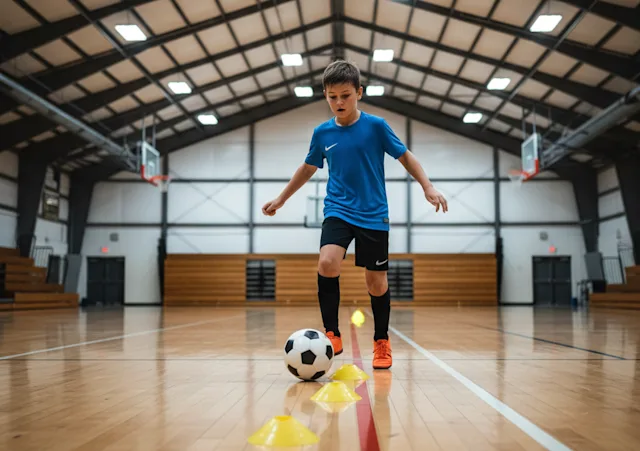
Indoor vs Outdoor Soccer Training: What’s Best for Your Child?
Indoor vs outdoor soccer training explained to help parents choose the right environment for kids.
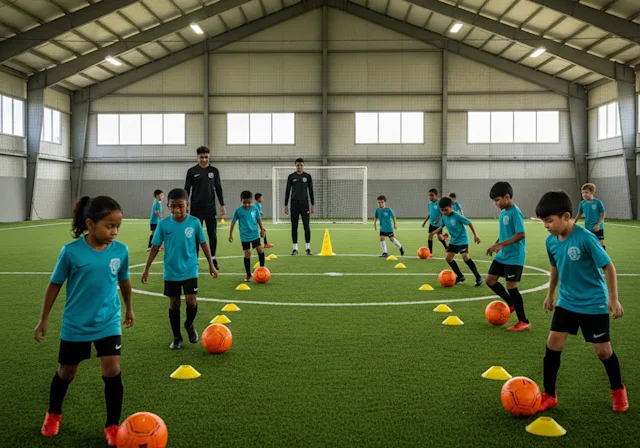
Why Indoor Soccer Training Is Better for Young Players
Indoor soccer training provides a safe space for young players to build skills and confidence.
5 Indoor Soccer Drills to Keep Your Kids Active Over Winter Break
Keep kids' soccer skills sharp over winter break with 5 fun indoor drills using household items.