

How Soccer Training Helps Kids Thrive On and Off the Field
Soccer helps kids grow strong, confident, and connected—on the field and in everyday life.
WMF Coaching Team
6 min read
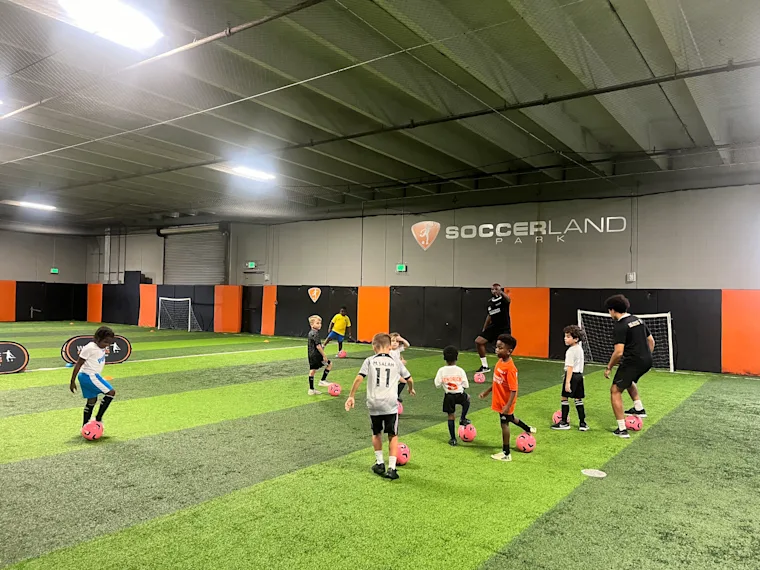
The Power of Soccer: Growing Skills, Friendships, and Self-Belief
Why Soccer Training is Great for Kids
Soccer is more than a sport—it’s an opportunity for children to learn, grow, and smile. For parents like you, looking for a place where your child can have fun and belong, soccer training opens up a world of positive experiences. Whether your child is simply playful or enjoys soccer without big ambitions, joining a local program offers lasting benefits that go beyond the field.
Physical Health Benefits
One of the most enjoyable ways for kids to stay active is through soccer. Running, kicking, and dribbling the ball improve cardiovascular fitness and coordination. Kids strengthen their muscles, develop better balance, and gain flexibility—all while playing games and laughing with friends. Regular soccer sessions are a fun workout, making healthy habits part of their daily routine.
Building Confidence and Self-Esteem
Every child deserves to feel like a star. Soccer training celebrates small wins—like mastering a new dribble or making a great pass—helping kids build confidence and believe in themselves. Coaches who cheer on every effort, not just top talent, create an environment where each child feels valued and part of the team. This sense of accomplishment shines through at home, at school, and everywhere they go.
Enhancing Social Skills and Teamwork
Soccer is a team game built on trust and communication. Children learn to work together, share, and listen while having fun on the pitch. Friendships blossom as kids encourage each other and celebrate together, making playful memories that extend beyond training. Socially enthusiastic children find a welcoming space to be themselves and connect.
Developing Perseverance and Life Skills
Soccer teaches kids to keep trying—even if they miss a goal or lose a match. Learning from mistakes and bouncing back builds resilience, patience, and resourcefulness. These important skills help children face everyday challenges, showing that effort and a positive attitude matter, both in soccer and in life.
What Makes a Friendly and Nurturing Soccer Program
As a parent, you want your child to be supported in a warm, welcoming environment. The best soccer programs focus on enjoyment and personal growth as much as skill. They make sure every child feels safe, included, and excited to return each week.
Qualified and Caring Coaches
Nothing matters more than coaches who care. Experienced trainers who understand children give positive feedback, encourage every player, and make sure all kids—regardless of playing level—feel noticed and included. For children who aren’t naturally skilled, patient coaches can make all the difference.
Convenient and Reliable Scheduling
Busy families need training times and locations that fit their lifestyle. Programs with simple sign-ups, nearby venues, and regular weekly sessions help you plan easily. It’s peace of mind to know you can just turn up and your child will have a fun, active experience every time.
Fun-Focused Training Approaches
The best training blends learning with laughter. Small-group activities, playful challenges, and soccer-themed games keep each session engaging and enjoyable. Kids improve their skills without pressure, making new friends and falling in love with the game.
How Soccer Training Supports Kids On the Field
Soccer training gives children the skills and confidence to play better and enjoy every match. By working on both technique and strategy, kids are set up for success on the field.
Mastering Soccer Fundamentals
Children start with basics—dribbling, passing, and shooting. With each stage, they gain new abilities and can see their progress, no matter their starting point. Coaches break down skills into simple steps, making sure everyone can participate and learn at their own pace.
Teamwork and Game Sense
Understanding how to move, communicate, and support teammates transforms kids into smarter players. Training that includes teamwork and simple strategy helps children feel comfortable on the field and ready for whatever the game brings. Working together, they discover the magic of shared victories.
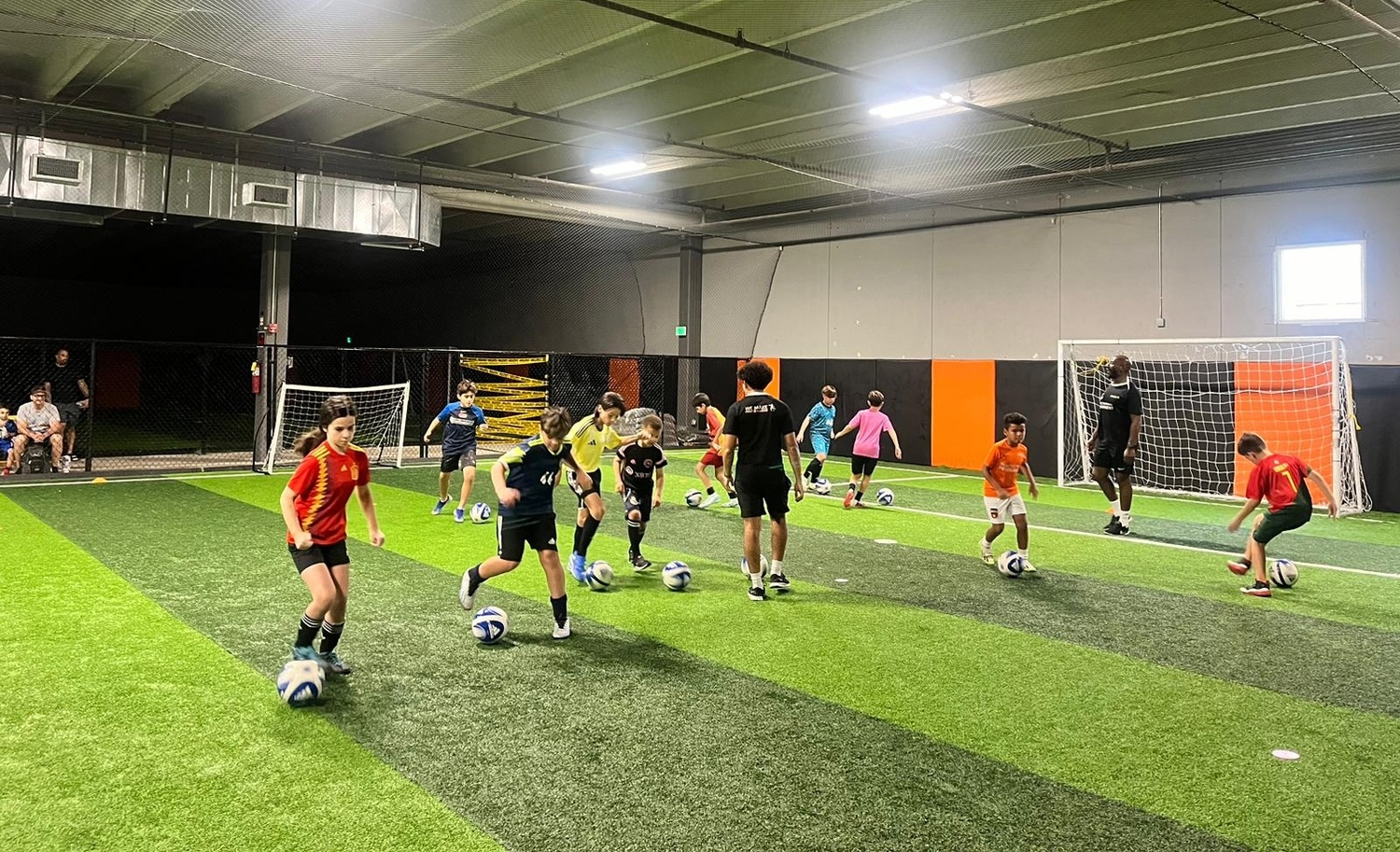
How Soccer Training Helps Kids Off the Field
The rewards of soccer extend into everyday life, giving kids essential habits and relationships that last far beyond the game.
Improved Focus and Discipline
Regular practice and routines teach children to concentrate, set goals, and manage their time. These skills are incredibly helpful in school—whether working on homework or participating in class. Soccer makes learning structure and responsibility feel motivating and natural.
Social Inclusion and Community Building
Soccer programs create a place where children and parents can connect, celebrate achievements, and make friends. Moms and dads find familiar faces in the stands, while kids discover a sense of belonging and community that builds social confidence on and off the field.
Real Stories: How Soccer Training Changed Kids’ Lives
Hearing from other parents can make all the difference. Here’s how families have seen their kids flourish with soccer training.
From Shy to Confident: A Parent’s Perspective
One parent shared, “We started when our child was five. They were nervous at first, but the coaches made them feel welcome from day one. Now, they run into every session with a big smile. They're proud of what they can do—and so are we. We've even made new friends along the sidelines.”
Skills and Friendships That Last
Another family noted, “Our child wasn’t the most coordinated, but with regular training, they’ve improved a lot and, more importantly, look forward to every session! They’ve made friends they now spend time with outside of soccer, and their happiness is priceless.”
Tips for Choosing the Right Soccer Program for Your Child
Every family is different—so finding the perfect fit is important. Here are some tips to help you choose.
Questions to Ask Coaches
Ask about their approach to working with children of all playing levels. What is their philosophy on inclusion? Do they focus on each child equally? Are they enthusiastic, patient, and supportive?
What to Look for in Facilities and Schedules
Consider safe, clean venues with comfortable spaces for parents to relax or work while children train. Look for programs with consistent, easy-to-remember schedules and the flexibility to work around school and family life.
Get Started: How to Join a Welcoming Soccer Program Near You
Ready to see your child thrive with soccer? It’s easy to get started—here’s how.
Finding Local Soccer Programs
Explore local and national websites, ask other parents for recommendations, or check your community center. We Make Footballers runs convenient weekly sessions, holiday camps, and birthday parties tailored to busy family schedules.
What to Expect in Your First Sessions
On your first day, expect a warm welcome from coaches and other families. Sessions include fun warm-ups, skill games, and mini matches—all designed to make children comfortable while learning and having fun. Soon, your child will be counting down to soccer day each week! Let your child discover how soccer training helps them thrive on and off the field—find your local program and join the fun today!
Related Articles
Indoor vs Outdoor Soccer Training: What’s Best for Your Child?
Indoor vs outdoor soccer training explained to help parents choose the right environment for kids.
Why Indoor Soccer Training Is Better for Young Players
Indoor soccer training provides a safe space for young players to build skills and confidence.
5 Indoor Soccer Drills to Keep Your Kids Active Over Winter Break
Keep kids' soccer skills sharp over winter break with 5 fun indoor drills using household items.