

Nutrition Tips for Kids Playing Soccer: Fueling Energy and Growth
Support your child’s soccer with smart nutrition tips to boost energy, focus, and recovery.
WMF Coaching Team
3 min read
Nutrition Tips for Kids Playing Soccer: Fueling Energy and Growth
Why Nutrition Matters in Youth Soccer
Soccer is an intense physical activity, even for children as young as 4. At this stage of life, players are building coordination, learning technical skills, and developing endurance. These demands mean that their bodies require consistent and balanced nutritional support. Proper nutrition directly impacts stamina, focus, and recovery—key components for success in soccer training and matches. Establishing smart eating habits at this age also helps form the basis for lifelong wellness and resilience both on and off the field.
Key Nutrients Growing Athletes Need
Young athletes need a strategic mix of macronutrients and micronutrients to stay energized, support growth, and perform their best during soccer sessions. Here's a breakdown of what matters most:
- Carbohydrates: The main energy source for high-intensity sports. Whole grains, fruits, and starchy vegetables help fuel active children before and during play.
- Proteins: Essential for muscle development and tissue repair, especially after training. Lean meats, dairy, legumes, and eggs are ideal sources.
- Fats: Important for long-lasting energy and brain development. Healthy fats from avocados, nuts, and seeds play a critical role.
- Vitamins & Minerals: Nutrients like calcium, iron, and zinc support bone strength, oxygen transport, and immune function. A varied diet rich in colorful fruits and vegetables ensures adequate intake.
- Hydration: Proper hydration enhances performance and concentration. Water should be consumed regularly, and electrolyte-rich drinks can be used during longer or high-heat sessions.
Pre-Training and Game Day Fueling Tips
Timing and food choice are key when it comes to pre-activity meals. Children should eat a light, easily digestible snack 1–2 hours before soccer:
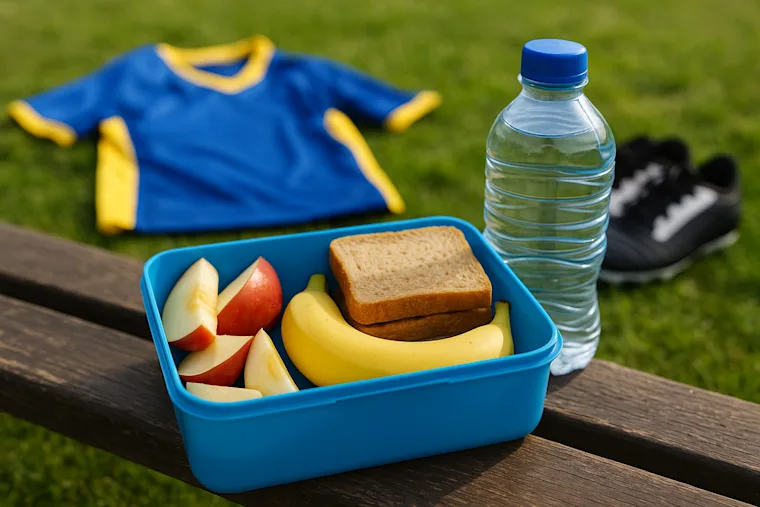
- Banana or apple slices
- Whole grain toast with nut or seed butter
- Low-sugar granola bars or oatmeal
Heavy or greasy foods should be avoided as they can cause discomfort and sluggishness. Encourage hydration throughout the day to ensure young athletes begin their session fully fueled and refreshed.
Post-Game Recovery Nutrition
After training or a match, the body needs to restore energy and begin muscle repair. The first 30 minutes post-activity is an ideal window for recovery nutrition. Provide a combination of carbohydrates and protein, such as:
- Low-fat chocolate milk
- Yogurt with fresh fruit or granola
- A smoothie with milk, banana, and nut butter
Fluids lost through sweat should also be replaced with water or lightly diluted fruit juice.
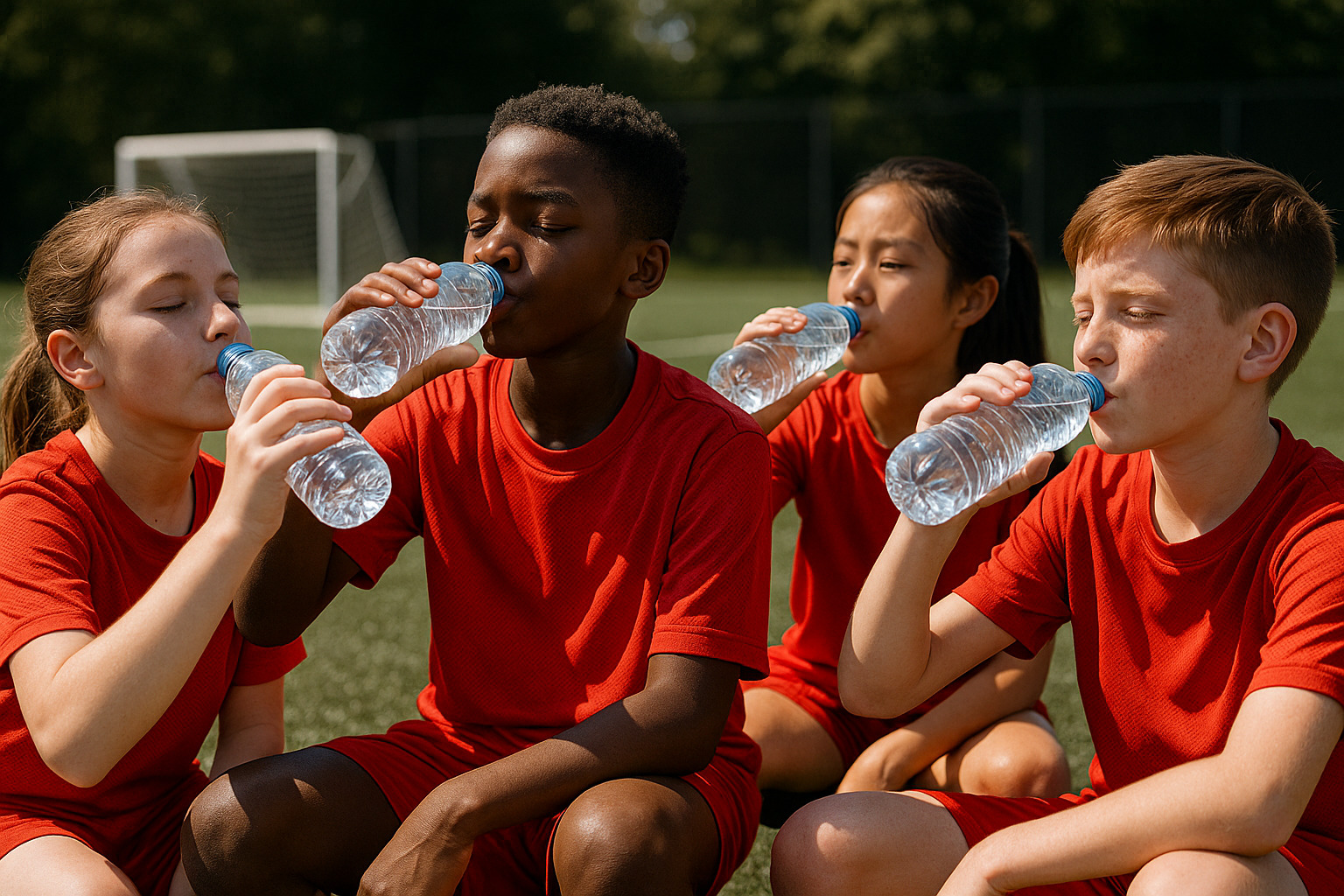
Hydrating after soccer practice to aid recovery and focus.
Healthy Snack Ideas for Young Soccer Players
Nutritious snacks help maintain energy and focus throughout the day. For busy schedules, choose options that are quick to prepare and appealing to kids:
- Trail mix (nut-free if needed)
- Hummus with sliced veggies
- Cheese sticks with whole grain crackers
- Fresh fruit or veggie smoothies
- Rice cakes with cottage cheese or yogurt dips
Encouraging Good Eating Habits at Home
Building a balanced diet begins at home. Parents can make a significant difference by creating a positive food environment. Some helpful strategies include:
- Planning weekly meals and snacks to reduce stress and improve variety
- Involving children in grocery shopping and meal prep to increase their interest in healthy foods
- Modeling nutritious eating habits consistently
Even with busy schedules, prioritizing health through simple routines ensures young players stay ready for each training session.
The We Make Footballers Difference
We Make Footballers provides more than structured soccer training—it promotes the holistic development of each child. With programs designed for ages 4 to 12, the academy focuses on physical, technical, psychological, and social growth using small group formats and expert coaching. Through weekly group training, holiday camps, and internal league games, every child has the opportunity to thrive regardless of their starting skill level.
All environments are safe, inclusive, and structured to nurture confidence, concentration, and camaraderie. We Make Footballers is committed to building both athletic ability and healthy lifestyle habits that benefit children beyond the soccer field.
Book a free session today and support your child’s journey in soccer and wellness!
Related Articles
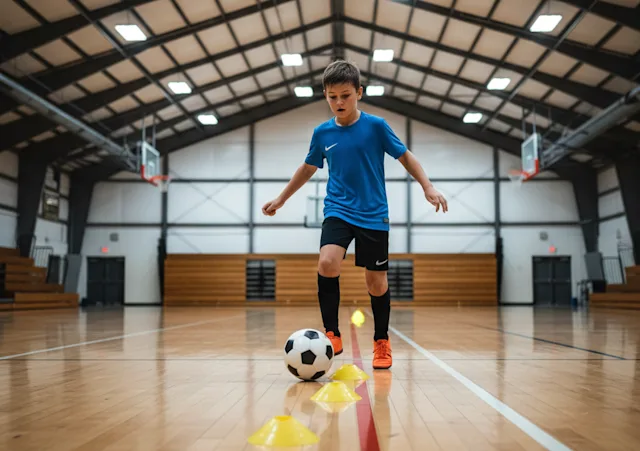
Indoor vs Outdoor Soccer Training: What’s Best for Your Child?
Indoor vs outdoor soccer training explained to help parents choose the right environment for kids.
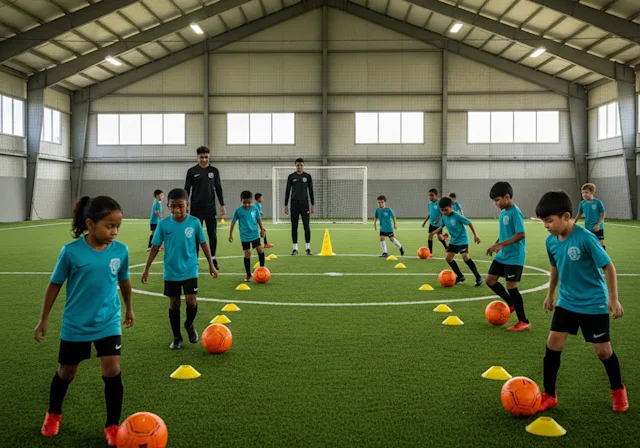
Why Indoor Soccer Training Is Better for Young Players
Indoor soccer training provides a safe space for young players to build skills and confidence.

5 Indoor Soccer Drills to Keep Your Kids Active Over Winter Break
Keep kids' soccer skills sharp over winter break with 5 fun indoor drills using household items.