

The Parent’s Role on the Sideline: Supporting Without Pressure
Supportive sideline behavior helps children thrive in soccer—without pressure or fear.
WMF Coaching Team
3 min read
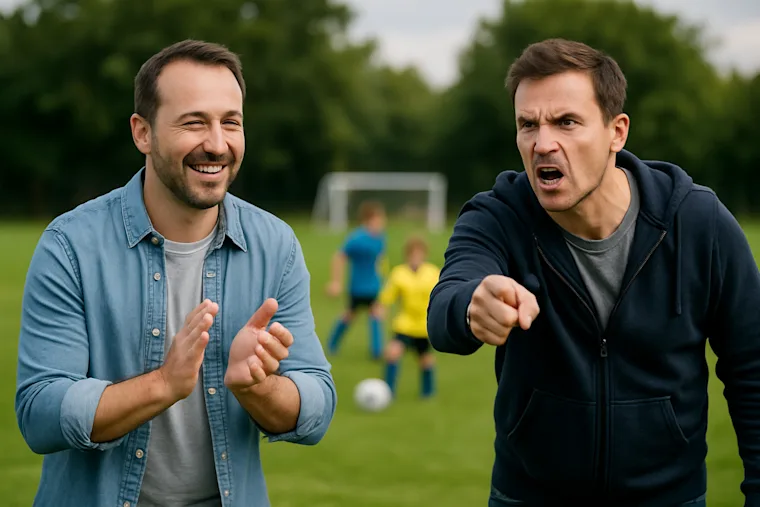
Supporting Your Child from the Sidelines the Right Way
Why Sideline Behavior Matters
Parental behavior on the sidelines has a significant impact on how children perceive and experience youth sports. Supportive, calm, and encouraging behavior helps children feel secure and confident, while negative or overly intense reactions can hinder performance and reduce enjoyment. Studies indicate that excessive pressure from parents is a leading contributor to children quitting organized sports early. When the sidelines become a source of stress rather than support, children may associate soccer with anxiety instead of growth and joy.
Support vs. Pressure: Knowing the Difference
Supportive sideline behavior emphasizes positive reinforcement and unconditional encouragement. It includes cheering for effort, celebrating teamwork, and maintaining calm and friendly communication. Support looks like:
- Applauding great effort regardless of outcome
- Encouraging resilience and sportsmanship
- Smiling, staying engaged, and offering emotional support
In contrast, pressure manifests in behaviors such as giving constant tactical instructions, showing frustration at mistakes, or focusing solely on winning. These actions, even when unintended, can shift the child’s attention from learning and fun to performance and fear of failure.
How to Be a Positive Sideline Presence
Parents play a critical role in shaping the atmosphere of youth soccer. Here are practical ways to be a supportive presence:
- Let the coach do the coaching. Coaches at We Make Footballers are trained professionals who follow a structured, age-appropriate program. Conflicting instructions from parents can confuse young players and disrupt development.
- Focus on effort, not just outcomes. Highlight moments of determination, teamwork, and sportsmanship rather than goals or wins.
- Be aware of your tone and body language. Stay calm and positive, especially during challenging moments in the game.
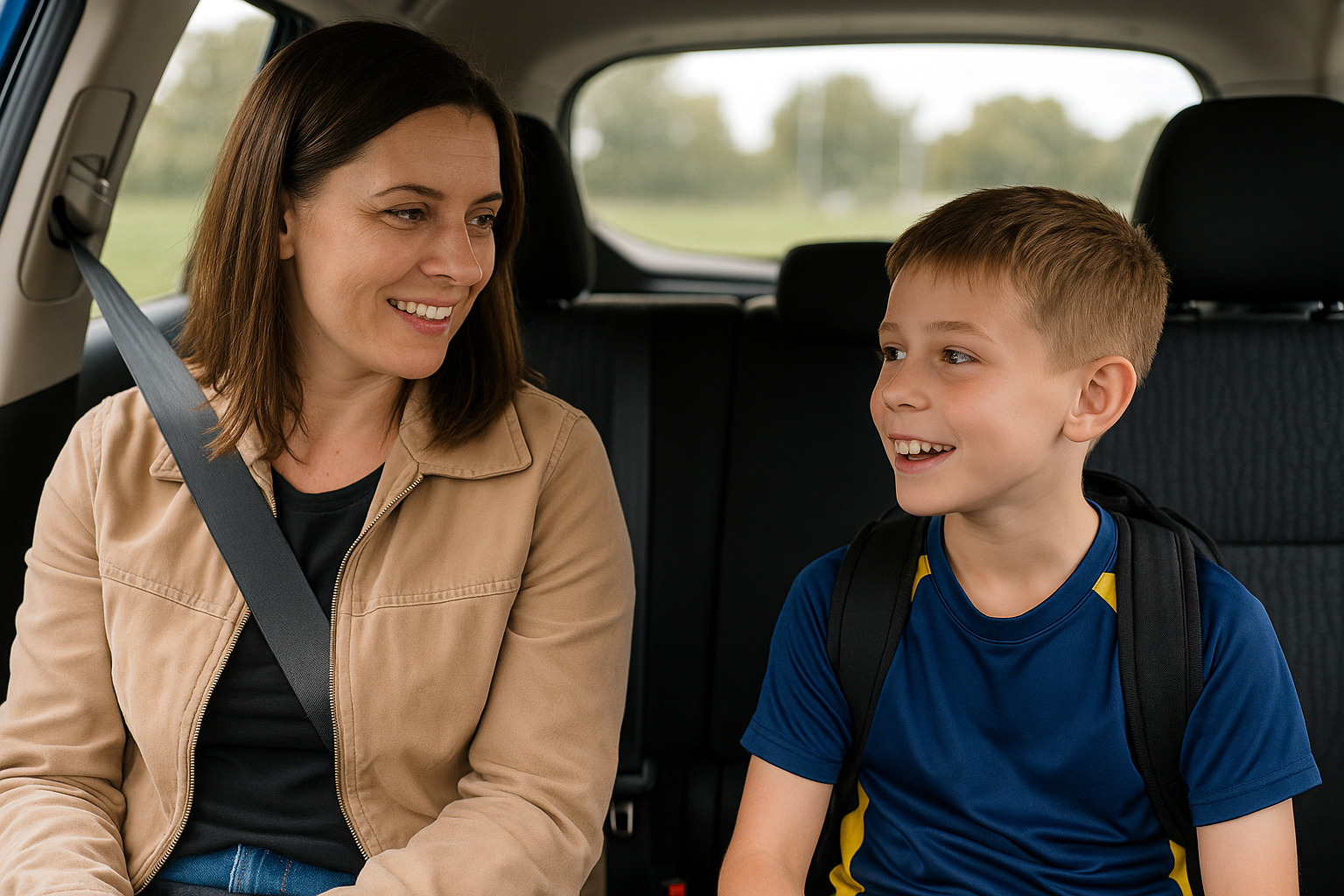
- Use the ride home to connect, not critique. Ask open-ended questions such as “What did you enjoy most today?” or “What was something new you tried?”
The Impact on Long-Term Development
Consistent pressure can lead to burnout and loss of interest, even in children who show strong potential. The long-term goal is to nurture a love for the game, not to manufacture short-term success. We Make Footballers prioritizes structured skill-building through a “Practice makes Permanent” philosophy, delivered in a fun and inclusive setting for ages 4 to 12.
Their methodology, based on the FA Four Corners Model, promotes physical, technical, psychological, and social development—ensuring that each child grows holistically. Training groups are intentionally small (no more than 10 children per coach) to provide individual attention and reduce performance-related anxiety.
When in Doubt, Think Long-Term
Parents should view youth sports as a foundation for lifelong habits and values. While some players may eventually join competitive programs, the greater objective is instilling confidence, teamwork, and perseverance. Coaches at We Make Footballers emphasize growth, enjoyment, and character-building over results.
By focusing on long-term development rather than immediate outcomes, parents help foster a healthy and sustainable relationship between children and sports.
Ready to experience a fun, professional, and inclusive soccer environment for your child?
Book a free session with We Make Footballers and see how their pressure-free coaching philosophy helps children of all playing levels develop skills, confidence, and a love for the game.
Related Articles
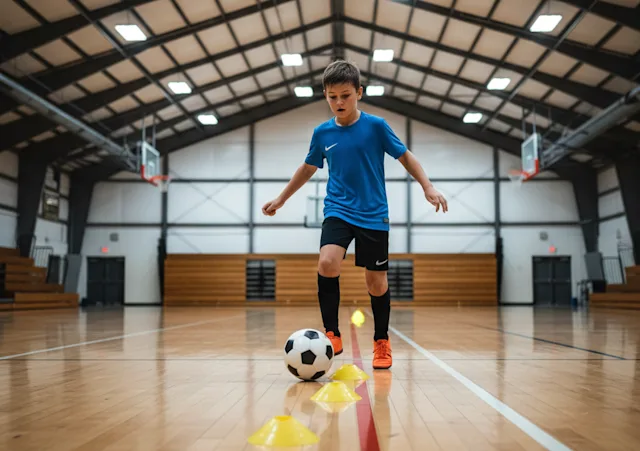
Indoor vs Outdoor Soccer Training: What’s Best for Your Child?
Indoor vs outdoor soccer training explained to help parents choose the right environment for kids.
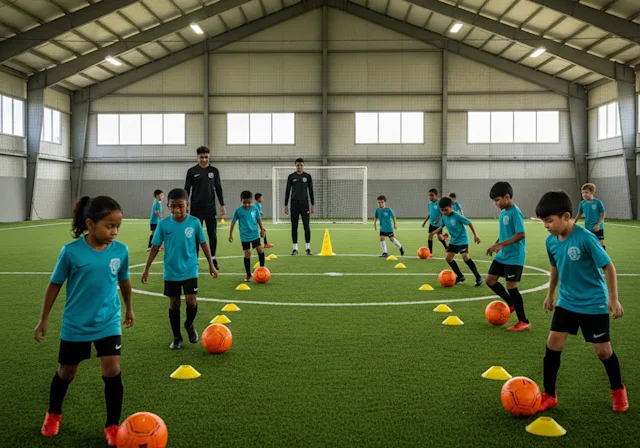
Why Indoor Soccer Training Is Better for Young Players
Indoor soccer training provides a safe space for young players to build skills and confidence.
5 Indoor Soccer Drills to Keep Your Kids Active Over Winter Break
Keep kids' soccer skills sharp over winter break with 5 fun indoor drills using household items.